Source Stainless Steel Gas Cooker for Restaurant and Home Use
Explore 30 stainless steel gas cooker options for commercial kitchens, home cooking, and catering services. Compare features like pulse-jet ignition, copper valves, and various burner sizes to find the right fit for your needs; compare the available evidence and request quotations based on your requirements.
Key considerations
Products List







Comprehensive Sourcing Guide
Stainless Steel Gas Cooker Sourcing Guide
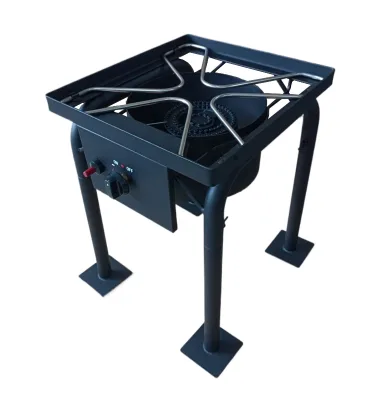
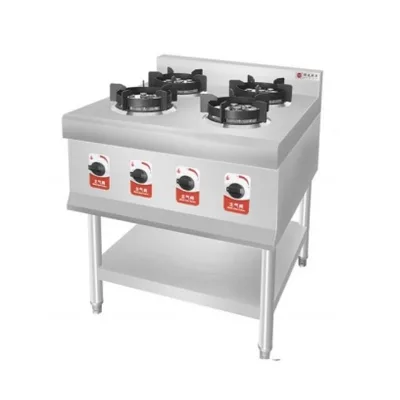
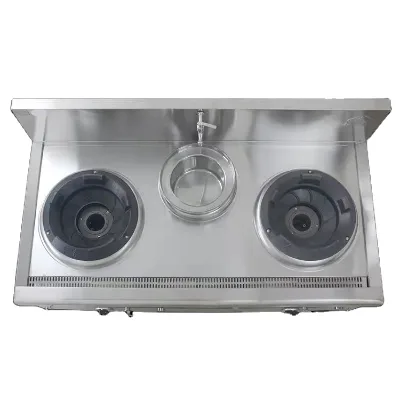
Buyers must first distinguish between built-in, table-top, and free-standing configurations, as the supplied data indicates a diverse market offering panel materials in stainless steel alongside specific dimensions like 860x510mm or 710x385x145mm. This variation dictates the initial procurement strategy, requiring a clear definition of whether the unit is intended for permanent kitchen installation or portable commercial use. Understanding these form factors is essential before evaluating technical performance, as the installation method directly influences the required valve types and ignition systems.
The observed product range includes models supporting both liquefied gas and natural gas, necessitating a precise verification of fuel compatibility before finalizing any order. Some listings specify pulse-jet or electronic ignition modes, while others rely on piezoelectric ceramic ignition, each presenting different reliability profiles for the end-user. Procurement teams should prioritize models with copper valves and metal knobs, as these components are explicitly noted in the available data and generally correlate with higher durability in high-traffic cooking environments.
Product Scope and Observed Listing Signals
The market presents a wide spectrum of heat outputs, with specific models listing combined capacities such as 2.8+2.8 Kw or multi-burner configurations reaching 3.3/3.0/1.75 Kw. Buyers should analyze these figures against their intended application, whether for soup preparation, stewing, or frying, to ensure the burner size and output match the required culinary throughput. The presence of enamel or cast iron pan supports further refines the scope, indicating compatibility with various cookware types that may be standard in the buyer's target market.
Packaging standards vary significantly across the supply base, ranging from five-layer export cartons to wooden cases, which impacts logistics planning and potential damage rates during transit. Some suppliers offer customizable volume capacities up to 1000L, suggesting that larger industrial units may require bespoke engineering rather than off-the-shelf procurement. Buyers must carefully review the carton dimensions, such as 720x400x100mm or 990x520x115mm, to calculate accurate shipping costs and warehouse storage requirements before committing to a supplier.
Technical Specifications to Verify
Verification of the burner size and ignition system is critical, as observed listings show burner dimensions like 90+90mm alongside diverse ignition modes including pulse-jet and electronic systems. Buyers should confirm that the specific model number, such as YG-S58604 or JY-S3001, aligns with the required ignition reliability, as piezoelectric systems may differ in longevity compared to electronic alternatives. Ensuring the gas type matches the local infrastructure, whether LPG or natural gas, is a non-negotiable technical check that prevents immediate operational failure upon installation.
Material composition requires strict scrutiny, with some units specified as SS304 or SS316L stainless steel, offering varying degrees of corrosion resistance for different environments. The presence of flameout protection is a vital safety feature that buyers must confirm in the technical datasheet, as this mechanism automatically cuts off gas flow in the event of a flame failure. Additionally, the valve material, explicitly noted as copper in several listings, should be verified to ensure it meets the pressure and flow requirements of the specific gas supply system.
Compliance and Safety Documentation
Safety certifications such as ISO, CE, and UL are explicitly mentioned in the product data, serving as primary indicators of regulatory compliance for international markets. Buyers must request valid certificates for the specific model being sourced, as these standards often vary by region and application type, particularly for built-in versus free-standing units. The absence of these documents should be treated as a critical red flag, preventing the import of equipment that may not meet local safety codes or insurance requirements.
Installation requirements also play a significant role in compliance, with some units designed as portable while others are built-in or free-standing, each demanding specific safety clearances. Buyers should verify that the product standard dimensions, such as 860x510mm or 590x510x115mm, align with the intended kitchen layout and ventilation systems. Ensuring that the protective case and flameout protection mechanisms are certified is essential for mitigating liability risks associated with gas appliance usage in commercial or residential settings.
Cost Drivers and Commercial Terms
The observed price range of 10 to 100,000 USD reflects a vast disparity in product complexity, from basic table cookers to large-scale industrial units with customizable volumes. Buyers must correlate the unit price with the material grade, such as SS316L versus standard stainless steel, and the complexity of the ignition system to understand the true value proposition. High-cost items often include advanced safety features like flameout protection and copper valves, which justify the premium through enhanced durability and reduced maintenance costs over the product lifecycle.
Minimum Order Quantities (MOQ) vary widely from 1 to 4000 units, influencing the total landed cost and inventory strategy for the buyer. Smaller orders may incur higher per-unit costs due to setup fees, while bulk purchases can leverage economies of scale but require significant capital outlay and storage capacity. Buyers should negotiate based on the specific model's production complexity, as custom packing solutions like wooden cases or five-layer cartons may add to the overall commercial terms and shipping expenses.
Supplier Qualification and Quality Control
Geographic origins such as Zhejiang and Guangdong in China are prominent in the data, indicating established manufacturing hubs with specific expertise in gas appliance production. Buyers should verify the supplier's location to assess their proximity to logistics hubs and their familiarity with export regulations for the target destination market. Understanding the regional specialization can help in predicting lead times and the availability of spare parts, which are crucial for maintaining operational continuity in the long term.
Quality control processes must be validated through the supplier's adherence to the stated standards, including ISO, CE, and UL certifications. Buyers should request evidence of factory audits and production line inspections to ensure that the stainless steel material and copper valves meet the specified grades consistently. The presence of standardized packing methods, such as standard cartons with foam or strong export brown cartons, also serves as an indicator of the supplier's attention to detail and commitment to protecting the product during transit.
Long-Term Procurement Checks
Sustainability and after-sales support are critical factors for long-term procurement success, especially given the customizable nature of some units with volumes up to 1000L. Buyers should establish clear agreements regarding the availability of replacement parts, such as valves and ignition modules, to minimize downtime during the product's operational life. The ability to design custom volumes suggests a partnership potential where the supplier can adapt to evolving market needs, provided that the technical specifications remain consistent with safety standards.
Regular performance monitoring is necessary to ensure that the ignition modes and heat outputs remain stable over time, particularly for high-usage commercial applications. Buyers should implement a schedule for checking the flameout protection systems and the integrity of the stainless steel surfaces to prevent corrosion or mechanical failure. Maintaining a relationship with the supplier for periodic quality reviews will help in identifying any drift in manufacturing standards and ensuring that the procurement continues to meet the original safety and performance expectations.
FAQs
What ignition modes are available for stainless steel gas cookers?
Stainless steel gas cookers typically feature electronic ignition, pulse-jet ignition, or piezoelectric ceramic ignition. Electronic ignition offers reliable spark generation, while piezoelectric systems provide manual ignition without batteries. Pulse-jet ignition ensures rapid and consistent flame ignition. Buyers should verify the specific ignition mechanism required for their operational environment and safety standards.
Can stainless steel gas cookers be customized for specific applications?
Yes, customization is available for stainless steel gas cookers to meet specific operational needs. Manufacturers can adjust volume, burner configurations, and material grades such as SS304 or SS316L. Applications range from soup and stewing to frying. Buyers should specify their exact requirements during the inquiry process to ensure the final product aligns with their intended culinary or industrial use cases.
What fuel types are supported by these gas cookers?
These gas cookers support multiple fuel types, including liquefied gas, natural gas, LPG, and NG. The specific fuel compatibility depends on the model and burner design. Buyers must confirm the required gas type during ordering to ensure proper installation and safe operation. Incorrect fuel selection can affect performance and safety, so verifying the fuel specification is essential before purchase.
What are the standard specifications for built-in gas cookers?
Standard specifications for built-in gas cookers often include dimensions like 860x510mm or 740x420mm. Heat output typically ranges from 2.8kW to higher capacities depending on the model. Features may include enamel or cast iron pan supports and metal knobs. Buyers should check the exact carton size and standard dimensions to ensure compatibility with their kitchen cabinetry or installation space.
Which certifications are commonly associated with stainless steel gas cookers?
Common certifications for stainless steel gas cookers include ISO, CE, and UL. These standards ensure compliance with international safety and quality requirements. Buyers should request certification documents to verify that the product meets the regulatory standards of their target market. Compliance with these standards is crucial for importation and safe operation in various regions.
How is the packaging handled for stainless steel gas cookers?
Packaging for stainless steel gas cookers varies by model, including 5-layer cartons, wooden cases, or standard cartons with foam. Robust packaging ensures protection during transit. Buyers should confirm the packaging type to assess shipping costs and handling requirements. Proper packaging is essential to prevent damage and ensure the product arrives in optimal condition for installation and use.